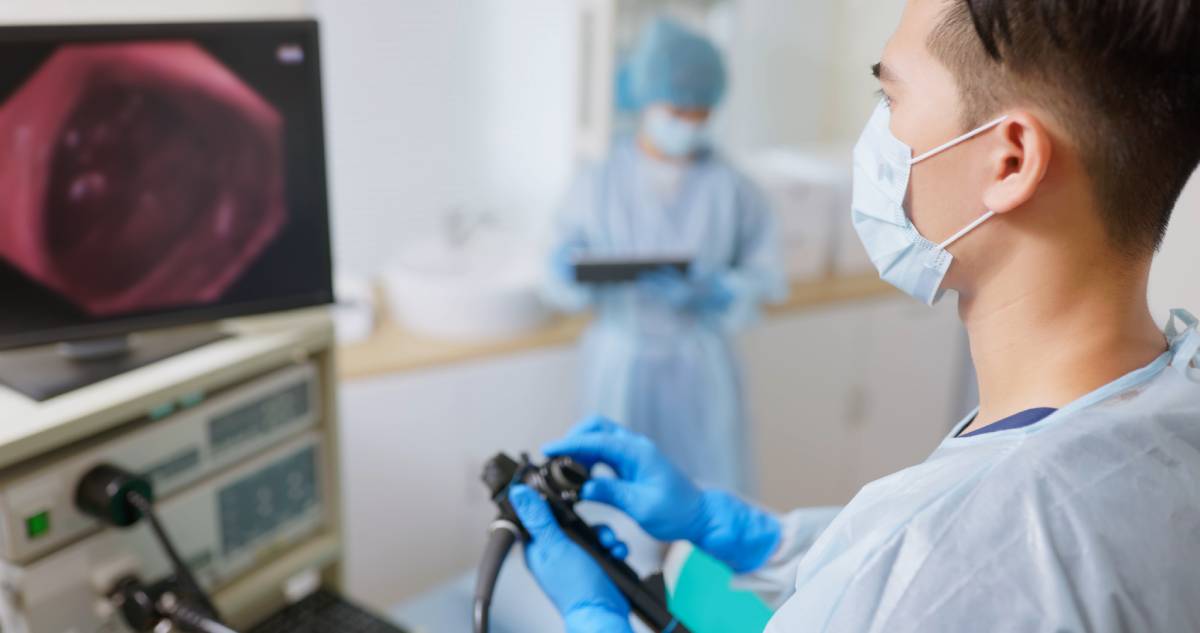
Current recommendations for colonoscopy preparation emphasize a patient-centered approach designed to improve bowel cleanliness, reduce discomfort, and promote adherence to preparation regimens. Updated guidance from the American College of Gastroenterology (ACG) and the European Society of Gastrointestinal Endoscopy (ESGE), published in 2024–2025, reflects growing evidence that preparation quality directly affects diagnostic yield, adenoma detection rates, and colorectal cancer screening outcomes.
Split-Dose Regimen
The split-dose regimen remains the gold standard for colonoscopy preparation. This involves dividing the bowel preparation solution into two separate doses — typically taken the evening before and again 4–6 hours before the scheduled procedure. When correctly timed, the split-dose approach produces significantly better bowel cleanliness scores than same-day or full-evening preparations.
Polyethylene glycol (PEG)-based solutions are the most commonly used agents. Current guidelines support the use of both high-volume (4L) and low-volume (2L) PEG formulations, with the latter preferred by patients for tolerability, provided adequate cleansing quality is achieved. Sodium sulfate-based and sodium picosulfate alternatives offer additional options for patients who experience PEG intolerance.
Dietary Modifications
Recent guideline revisions have liberalized pre-procedure dietary restrictions based on evidence that overly restrictive diets do not significantly improve preparation quality and may reduce patient willingness to adhere to preparation instructions. Current recommendations advocate:
- A low-residue diet (LRD) for two days prior to the procedure, rather than the previously standard clear liquid diet for one to two days
- Clear liquids only on the day immediately before the procedure
- Permitted foods on the LRD include white bread, lean meats, eggs, and dairy, while fruits, vegetables, and high-fiber foods are avoided
This approach has been shown to improve patient tolerability without compromising bowel cleanliness outcomes.
Patient Education
Structured patient education significantly improves preparation quality. Studies demonstrate that education delivered verbally, in writing, or digitally — explaining the rationale for preparation instructions, the correct timing and administration of the solution, and what constitutes adequate preparation — can increase adequate preparation rates by up to 20%.
Healthcare providers are encouraged to use clear, accessible language and to tailor educational materials to patients' literacy levels and preferred communication formats. Reminder systems, such as automated phone calls or text messages, further improve adherence.
Special Populations
Individualized approaches are warranted for specific patient groups. Elderly patients, those with renal or cardiac disease, patients taking medications that affect electrolyte balance, and individuals with prior abdominal surgeries may require modified preparation regimens, alternative agent selection, or additional medical oversight during the preparation process.
Key Takeaway: Modern colonoscopy preparation guidelines prioritize split-dose regimens, liberalized dietary restrictions, and structured patient education to maximize bowel cleanliness while minimizing patient burden — a combination that improves colorectal cancer detection rates.