Knowledge & Insights

Blog

Clinical insights, pharmacology deep-dives, and perioperative care updates from our team of board-certified anesthesiologists and CRNAs.

Featured
All Articles

Ketamine: Pharmacology and the Need for Appropriate Monitoring

Ketamine has expanded into a diverse range of clinical applications — from surgical anesthesia and procedural sedation to treatment-resistant depression. This article reviews its pharmacology and monitoring requirements.

Read more

Patient Outcomes after Conversion to General Anesthesia

As the volume and complexity of outpatient surgical procedures continues to grow, it is essential for clinicians to be prepared for cases of unplanned conversion.

Read more

Improving First Pass Success in Intubation

In airway management, first pass success in tracheal intubation is associated with fewer complications such as hypoxemia, aspiration, hypotension, airway trauma, and cardiac arrest.

Read more

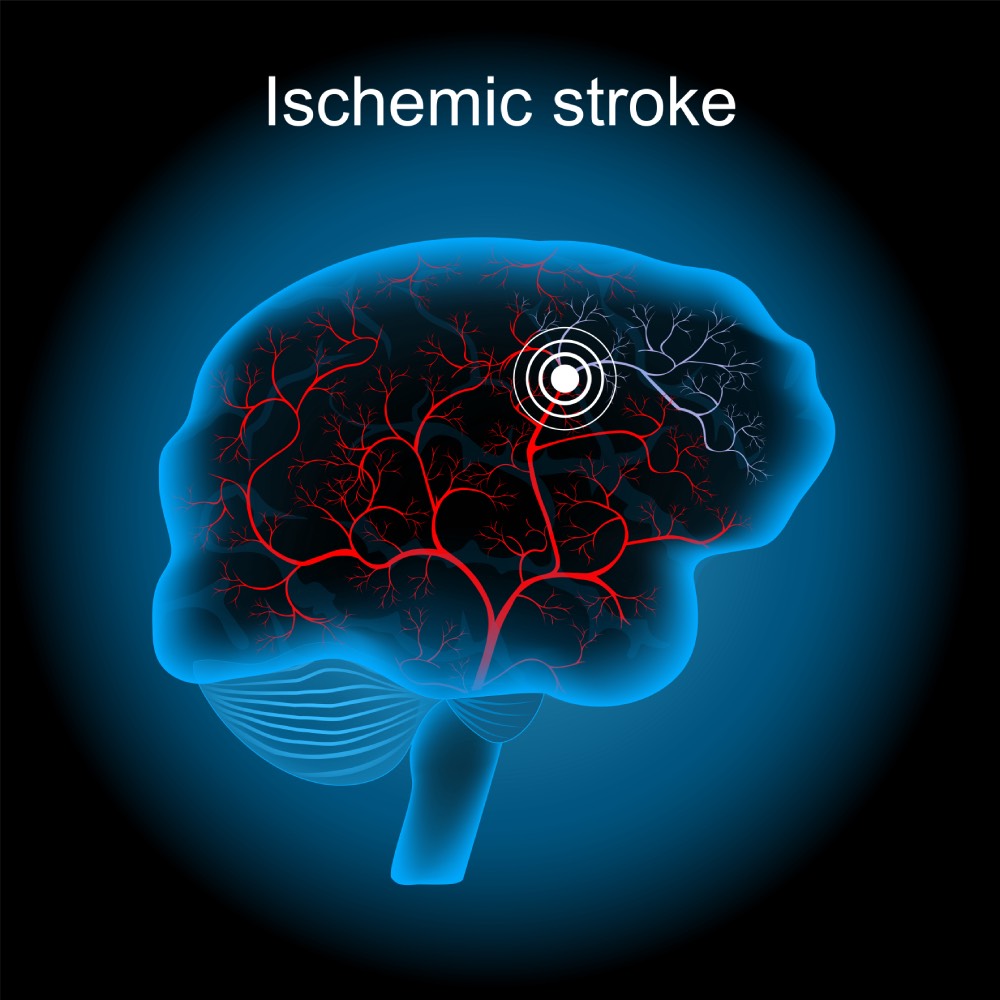
Risk Factors for Postoperative Ischemic Stroke

Postoperative ischemic stroke is a rare but major complication associated with significant morbidity, mortality, and prolonged hospitalization.

Read more

Updated Guidelines on Colonoscopy Preparation

Current recommendations for colonoscopy preparation emphasize a patient-centered approach designed to improve bowel cleanliness, reduce discomfort, and promote adherence.

Read more

How Chronic Cannabis Use Impacts Post-Operative Pain

As cannabis legalization expands globally, its use for chronic pain management has become increasingly common. While many patients view marijuana as a safe, natural analgesic, recent evidence suggests more complex interactions.

Read more

International Medical Professionals in U.S. Healthcare

International medical professionals are healthcare providers such as doctors and nurses who received their training outside the United States or Canada but practice in the U.S. healthcare system.

Read more

Dangers of AI Use in Medicine

Artificial intelligence (AI) has been heralded as a transformative force in medicine, offering advances in diagnostics, personalized treatment, and health system efficiency. However, rapid adoption carries real risks.

Read more

Medications Related to Extubation

The planned removal of an endotracheal tube is one of the most important milestones in both anesthesia and critical care — and pharmacological management plays a critical role.

Read more

Debate Over Preoperative Pregnancy Tests

In the 1990s, multiple studies demonstrated links between anesthesia exposure for pregnant patients and negative fetal outcomes, sparking ongoing debate over routine preoperative testing protocols.

Read more

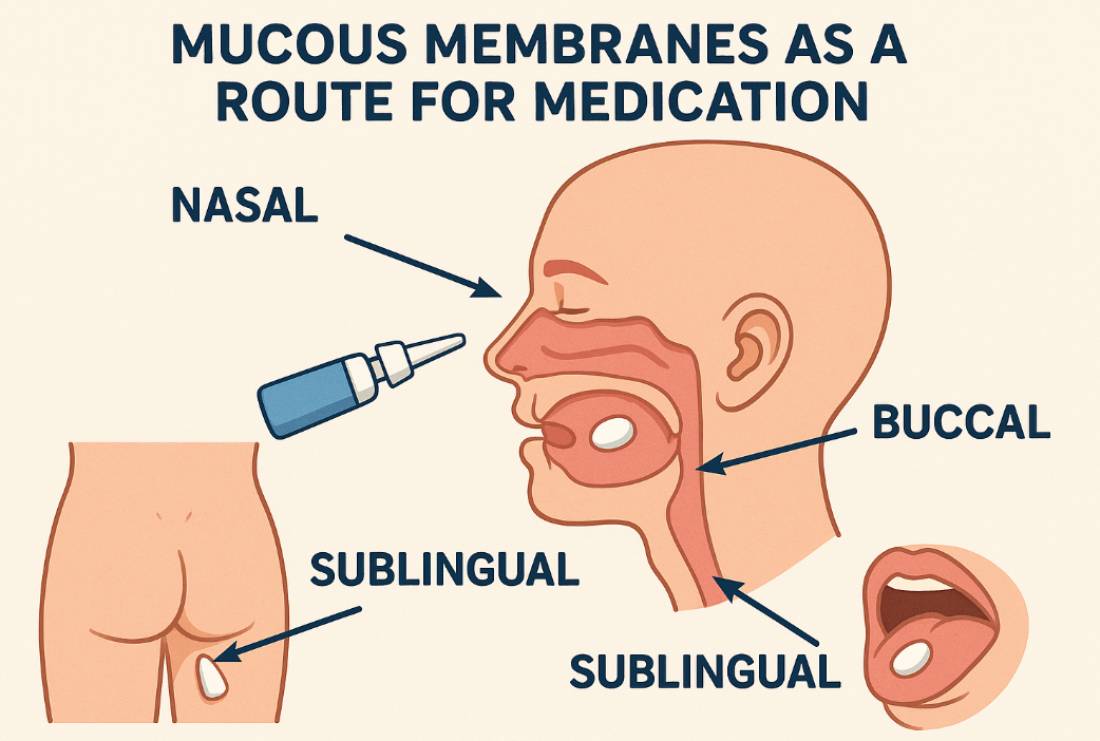
Mucous Membranes as a Route for Medication

Mucous membranes provide a non-invasive alternative route for medication delivery, allowing drugs to be absorbed directly and rapidly through tissues such as the nasal lining.

Read more

Why You Need to Delay Surgery After Stroke

A stroke is a serious medical emergency in which blood supply to the brain is blocked or there is sudden bleeding in the brain — and its implications for surgical timing are critical.

Read more

Research on Brain Benefits of Xenon

Xenon is a noble gas known for being inert, or unable to participate in nearly all chemical reactions. However, the gas does have several applications, including neuroprotective properties under investigation.

Read more

Understanding Bupivacaine, Ropivacaine, and Mepivacaine

Local anesthetics are essential tools in modern medicine, providing effective pain management for a wide range of procedures, with important pharmacological distinctions between agents.

Read more

Mechanism of Airway Collapse During General Anesthesia

General anesthesia induces a state of controlled unconsciousness, facilitating painless surgeries and procedures. During general anesthesia, airway management is necessary for patients experiencing airway collapse.

Read more

Is Mouth Taping for Snoring and Sleep Apnea Safe?

Mouth taping has gained popularity as a potential remedy for snoring and mild sleep apnea, but the practice lacks rigorous research to support its safety claims.

Read more

Ondansetron Uses and Risks

Ondansetron, also known as Zofran, is primarily used to prevent nausea and vomiting caused by chemotherapy, radiation therapy, and anesthesia — with an important risk profile to understand.

Read more

Uses of Local Anesthesia by Non-Anesthesiologist Physicians

Local anesthesia is a versatile and essential tool in modern medical practice, enabling a wide range of procedures to be performed with minimal discomfort across various specialties.

Read more

Infection Control During Surgery

A 2015 CDC survey found an estimated 110,800 surgical site infections from inpatient surgeries alone — underscoring the critical importance of rigorous infection control protocols.

Read more

Vital Sign Targets During Sedation

Monitoring and maintaining optimal vital signs during sedation is critical to ensuring patient safety and improving clinical outcomes, with key differences from general anesthesia management.

Read more

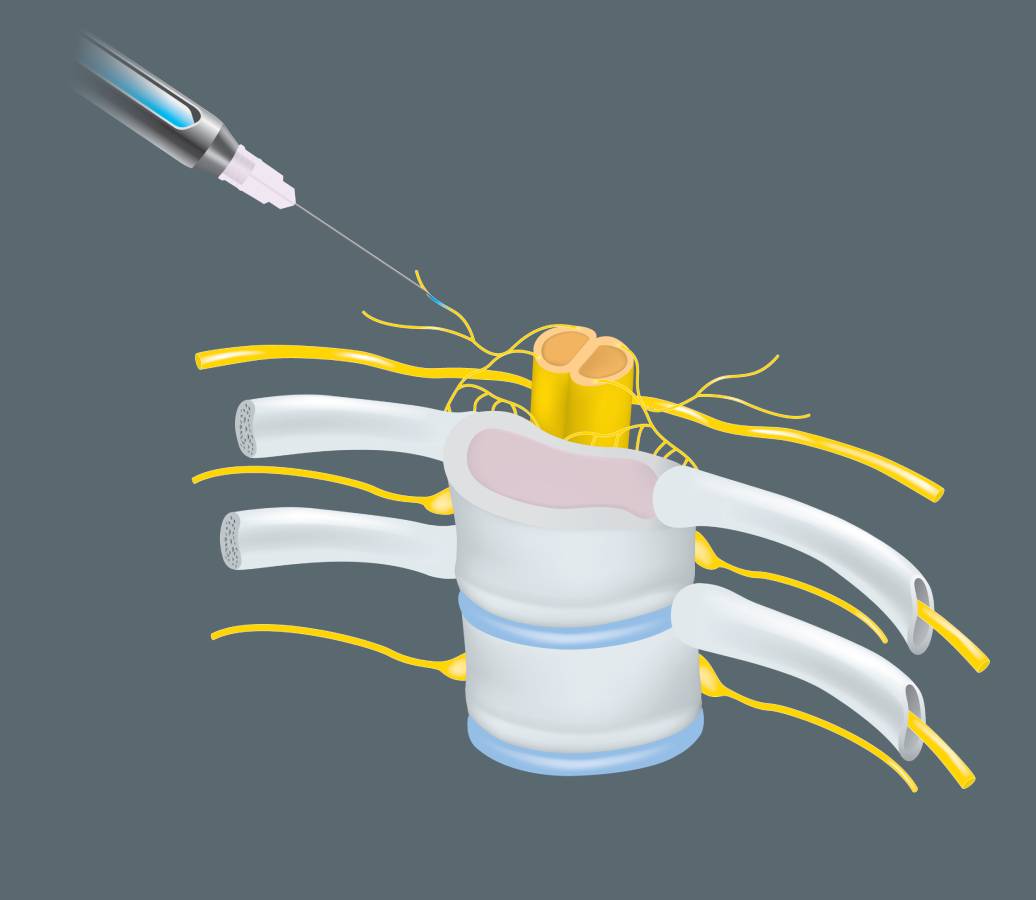
Intravascular Uptake of Nerve Block

Nerve blocks are performed by injecting local anesthetic around a target nerve to provide regional pain relief for surgery or medical procedures — intravascular uptake is a key complication to prevent.

Read more

Starting an Anesthesiology Residency Program

Starting an anesthesiology residency program is an endeavor that requires careful planning, resources, and dedication to excellence in medical education.

Read more

Neuroinflammation After Surgery

Perioperative neurocognitive disorders (PND) are now considered one of the most common postoperative complications among older adults, with neuroinflammation as a key mechanism.

Read more

Criticism of ASA Physical Status Classification

The American Society of Anesthesiologists (ASA) Physical Status classification system was developed in the 1940s and has since faced scrutiny regarding its reliability and interrater consistency.

Read more

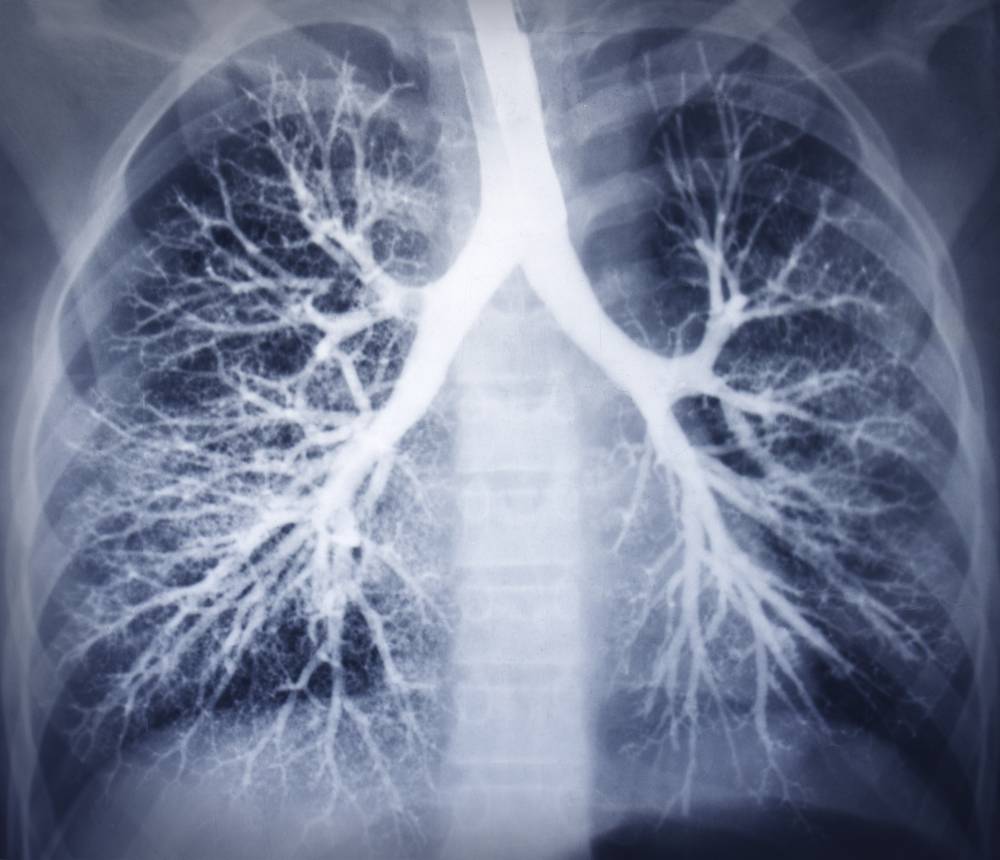
Ventilation Strategies During Anesthesia

Pulmonary complications have been a leading cause of significant morbidity and mortality after anesthesia and surgery, making ventilation strategy selection critically important.

Read more

Infection Control in the Operating Room

Infection control in the operating room (OR) is a critical aspect of healthcare that aims to prevent the transmission of infections to patients and healthcare workers alike.

Read more

TXA for Perioperative Bleeding

Tranexamic acid (TXA) has become a significant player in the management of perioperative bleeding, representing a pivotal advancement in surgical care and blood conservation.

Read more

Dexmedetomidine in Anesthesia

Anesthesia has evolved significantly over the years, and more anesthetic agents have been developed to better ensure patient comfort and safety — dexmedetomidine is among the most versatile.

Read more

How End-Expiratory Lung Volume Measurements are Obtained

End-Expiratory Lung Volume (EELV) measurement is a vital component in the assessment of respiratory physiology and clinical practice in both anesthesia and critical care.

Read more

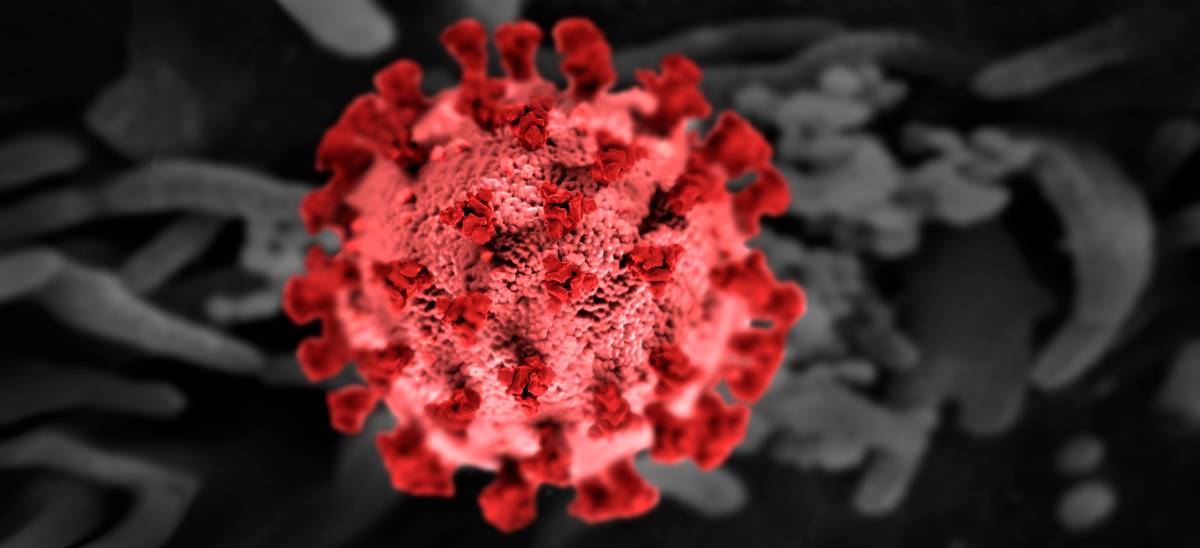
Sepsis Due to COVID-19

Sepsis occurs when a patient has an overwhelming reaction to an infection and is associated with high morbidity and mortality rates — COVID-19 has added new complexity to sepsis management.

Read more
Partner With Us

Ready to Work With California's Best?

Contact California Anesthesia Professionals today to learn how we can support your facility with expert perioperative care services.