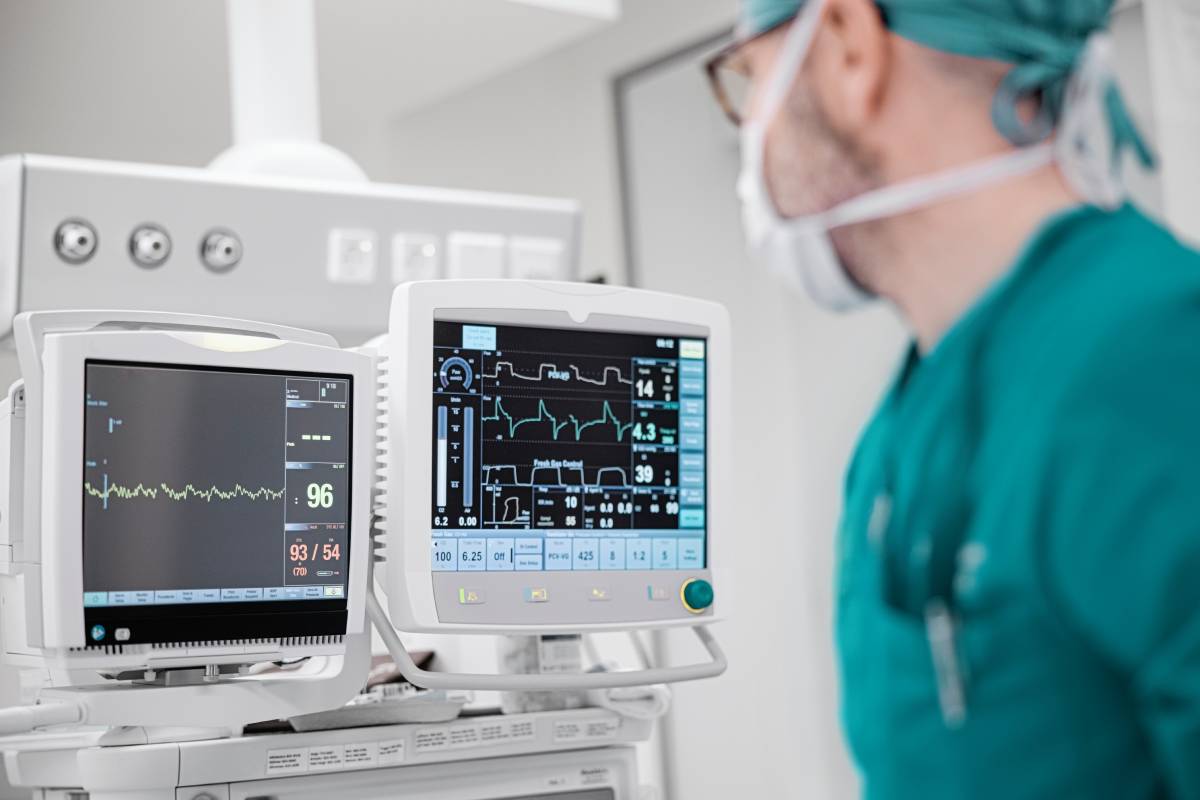
Sedation — whether for procedural, diagnostic, or therapeutic purposes — involves a carefully managed state of reduced consciousness in which the patient retains the ability to respond to stimulation and maintain independent airway function. Monitoring and maintaining optimal vital signs during sedation is critical to ensuring patient safety. The clinical parameters described below represent standard targets; individual patient circumstances may require adjustment based on baseline values and clinical context.
Heart Rate
A target heart rate of 60–100 beats per minute is generally appropriate during sedation in adults. Deviations from this range require prompt assessment:
- Tachycardia (>100 bpm): May indicate pain, anxiety, hypovolemia, or inadequate sedation. In patients with coronary artery disease, sustained tachycardia significantly increases myocardial oxygen demand and ischemia risk
- Bradycardia (<60 bpm): May result from vagal stimulation, certain sedative agents (particularly dexmedetomidine), or opioid administration. Symptomatic bradycardia compromises cardiac output and organ perfusion
Blood Pressure
The American Society of Anesthesiologists recommends maintaining blood pressure within 20% of the patient's baseline values. Absolute thresholds to avoid:
- Hypotension (systolic <90 mmHg or MAP <65 mmHg): Risks inadequate organ perfusion, particularly critical in elderly patients and those with cerebrovascular or renal disease. Propofol causes significant vasodilation and is a common cause of sedation-related hypotension
- Hypertension (systolic >160 mmHg): Increases risk of adverse cardiovascular and cerebrovascular events, particularly in patients with pre-existing hypertension or known vascular disease
Respiratory Rate and Oxygenation
Respiratory monitoring is particularly critical during sedation, as respiratory depression is the most common serious complication:
- Respiratory rate target: 12–20 breaths per minute in adults. Rates below 8 breaths/minute suggest significant respiratory depression and require immediate intervention
- Oxygen saturation (SpO₂): Should remain above 94%. Values below 90% (hypoxemia) require urgent airway intervention, supplemental oxygen titration, or dose adjustment
- End-tidal CO₂ (EtCO₂): A normal capnography value of 35–45 mmHg confirms adequate ventilation. Capnography is considered the most sensitive early indicator of respiratory depression, often detecting problems before SpO₂ drops
Agent-Specific Considerations
Different sedative agents produce characteristic vital sign effects that clinicians must anticipate:
- Propofol: Causes dose-dependent hypotension through vasodilation and mild myocardial depression. Respiratory depression is also significant; propofol infusions for deep sedation require careful dose titration
- Dexmedetomidine: Alpha-2 agonist effects reliably cause bradycardia and may produce hypotension, particularly at loading doses. Unlike most sedatives, it preserves respiratory drive — a key advantage for non-intubated patients
- Midazolam: Modest cardiovascular effects, but respiratory depression is synergistic with opioids — the combination requires particular vigilance
- Ketamine: Typically increases heart rate and blood pressure through sympathomimetic effects, making it useful in hemodynamically tenuous patients. Maintains airway reflexes and spontaneous breathing
Continuous Monitoring and Dose Adjustment
Vital sign targets during sedation are not static goals to be confirmed once and forgotten — they require continuous assessment and active management. Anesthesia providers must vigilantly monitor these parameters and adjust sedation doses as needed throughout the procedure, particularly during periods of changing stimulation. Rescue equipment (supplemental oxygen, airway devices, reversal agents) must always be immediately available.