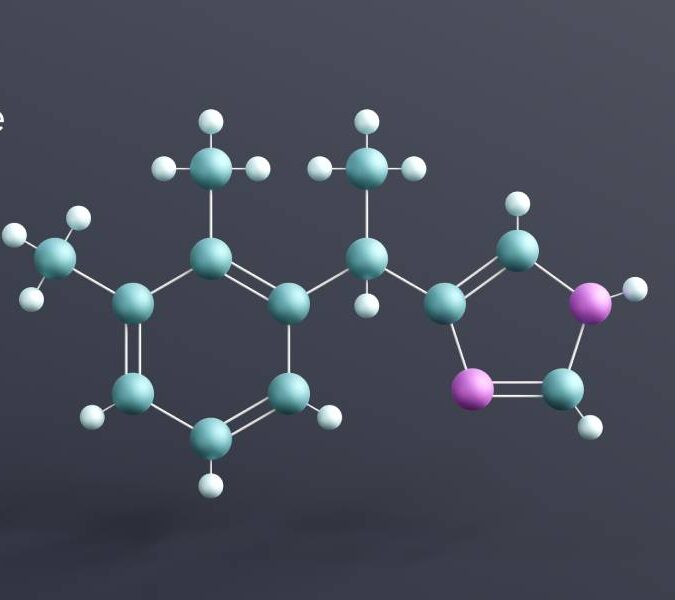
Dexmedetomidine has emerged as a uniquely versatile agent in modern anesthesia practice. Unlike traditional sedatives that achieve their effects through GABA receptor modulation, dexmedetomidine operates through an entirely different pathway — and its distinctive pharmacology confers clinical advantages that have expanded its use from the intensive care unit into procedural sedation, general anesthesia adjunct, and increasingly into novel neuroprotective applications.
Mechanism of Action
Dexmedetomidine is a highly selective alpha-2 adrenergic agonist that exhibits sedative, analgesic, and anxiolytic properties. It acts primarily on alpha-2 receptors in the locus coeruleus — the brain's primary noradrenergic nucleus, located in the brainstem. By suppressing norepinephrine release from the locus coeruleus, dexmedetomidine produces sedation through a mechanism that resembles natural sleep far more closely than traditional hypnotic agents.
This "naturalistic" sedation mechanism is responsible for dexmedetomidine's most clinically distinctive property: sedation without respiratory depression. Patients sedated with dexmedetomidine maintain their spontaneous ventilatory drive and protective airway reflexes — a significant safety advantage over propofol, benzodiazepines, and opioids in non-intubated patients.
Clinical Applications
Procedural Sedation
Dexmedetomidine is well-suited for procedures requiring conscious sedation where airway protection must be preserved. Its sedation profile — cooperative and arousable — allows patients to respond to verbal commands and participate in neurological assessment while remaining calm and comfortable. Applications include:
- Awake fiberoptic intubation in anticipated difficult airway patients
- Awake craniotomy, where patient cooperation during language or motor mapping is required
- Endoscopic procedures in patients with respiratory compromise
- Pediatric procedural sedation (particularly intranasal administration for premedication)
ICU Sedation
Dexmedetomidine enables prolonged sedation in critically ill patients while maintaining their neurological assessability — something not achievable with deeper propofol or benzodiazepine infusions. Multiple randomized trials have demonstrated that dexmedetomidine-based ICU sedation reduces delirium, shortens mechanical ventilation duration, and improves patient-reported comfort compared to benzodiazepine-based sedation.
General Anesthesia Adjunct
When used as part of a balanced general anesthetic, dexmedetomidine reduces requirements for inhalational agents, propofol, and opioids through synergistic effects. This opioid-sparing property is particularly valuable in:
- Patients at high risk for opioid-related complications (respiratory depression, PONV, ileus)
- Bariatric surgery patients where respiratory depression risk is elevated
- Procedures requiring rapid, clean emergence (neurosurgery, airway surgery)
Hemodynamic Considerations
The alpha-2 effects of dexmedetomidine produce predictable hemodynamic consequences that must be anticipated and managed:
- Bradycardia: Sympatholytic effects slow heart rate; symptomatic bradycardia requires dose adjustment or anticholinergic treatment
- Biphasic blood pressure response: A transient hypertensive response during loading (peripheral alpha-2b receptor stimulation) followed by hypotension (central sympatholysis) during maintenance infusions
These effects are generally manageable but require monitoring. Patients with pre-existing bradycardia or advanced heart block may not be appropriate candidates.
Neuroprotective Potential
Ongoing research is investigating dexmedetomidine's potential neuroprotective properties, particularly relevant for:
- Postoperative cognitive dysfunction (POCD): Multiple studies suggest dexmedetomidine reduces delirium incidence compared to other sedatives, with some evidence of benefit for longer-term cognitive outcomes in elderly patients
- Cardiac surgery: Perioperative dexmedetomidine infusion may reduce neurological complications associated with cardiopulmonary bypass
- Neurological surgery: Its cerebroprotective mechanisms are under investigation for ischemia, trauma, and neurodegenerative disease contexts
These applications remain investigational and require further validation in prospective trials before becoming standard of care.
Practical Considerations
Individual patient responses to dexmedetomidine vary based on age, comorbidities, and concurrent medications — requiring close monitoring and individualized dosing. Cost considerations and the need for specialized monitoring equipment are practical factors in some settings. When used appropriately in well-selected patients, dexmedetomidine represents a valuable addition to the anesthesiologist's pharmacological toolkit.