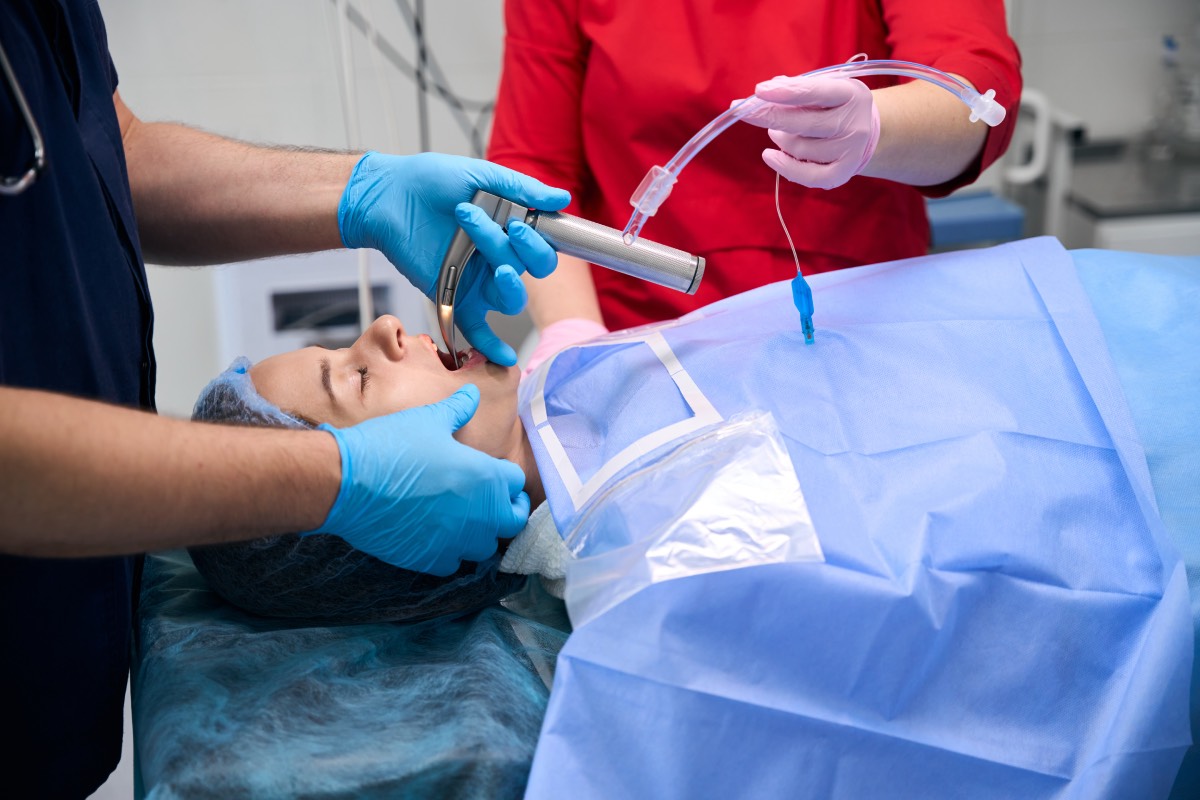
First pass success in tracheal intubation is associated with fewer complications such as hypoxemia, aspiration, hypotension, airway trauma, and cardiac arrest. Improving the rate of first-attempt intubation success is therefore a primary goal of airway management in both operating room and emergency settings. A systematic, multi-faceted approach — covering assessment, preparation, equipment, positioning, and pharmacology — is the foundation of reliable first-pass success.
Airway Assessment
Structured preoperative airway evaluation is the first line of defense against difficult intubation. Clinicians should use established assessment frameworks to identify patients at elevated risk. Commonly assessed features include mouth opening, thyromental distance, neck range of motion, the Mallampati classification, presence of a beard or anatomical abnormalities, and a history of prior difficult intubation.
When risk factors are identified, a targeted plan should be developed before anesthesia induction — including backup airway strategies and decisions about awake intubation versus standard induction.
Preoxygenation Optimization
Maximizing the safe apnea window through thorough preoxygenation is critical to allowing adequate time for first-pass intubation. Strategies include:
- Standard 3-minute tidal volume breathing via a well-fitted non-rebreather mask with high-flow oxygen
- Eight deep breaths over 60 seconds as an alternative for time-limited scenarios
- High-flow nasal cannula oxygen (HFNC) at 15 L/min or greater during apnea to extend the safe apnea period
- Noninvasive positive pressure ventilation (NIPPV) for patients with obesity, respiratory compromise, or baseline desaturation
The goal of preoxygenation is to achieve end-tidal oxygen fractions above 0.87, indicating adequate nitrogen washout and maximized oxygen reserves.
Equipment Selection
Video laryngoscopy (VL) has demonstrated improved glottic visualization and higher first-pass success rates compared to direct laryngoscopy in multiple studies, particularly in patients with anticipated or unanticipated difficult airways. However, device familiarity is paramount: clinicians should preferentially use equipment with which they are most skilled, as performance drops significantly when unfamiliar technology is used under pressure.
A bougie or stylet should be immediately available for all intubations, as its use significantly increases first-pass success rates, especially in grades 2–3 laryngoscopic views. Appropriately sized endotracheal tubes should be pre-selected and backup sizes available.
Patient Positioning
Proper patient positioning aligns the oral, pharyngeal, and tracheal axes to optimize the laryngoscopic view. The ramped or "ear-to-sternal-notch" position is particularly important in patients with obesity. Head elevation of 20–30 degrees can also improve glottic visualization and reduce aspiration risk by lowering gastric pressure effects on the airway.
Pharmacologic Strategy
Individualized pharmacologic preparation is essential to first-pass intubation success. Adequate induction agent dosing — avoiding underdosing that results in inadequate jaw relaxation and reflex responses — is critical. Neuromuscular blocking agents, when used, should be dosed to achieve complete motor blockade before laryngoscopy.
For rapid sequence induction (RSI), succinylcholine and rocuronium are both acceptable choices, with rocuronium offering reversibility via sugammadex. Pre-treatment with lidocaine or opioids may attenuate the hemodynamic response to laryngoscopy in appropriate patient populations.
Key Takeaway: First-pass intubation success depends on a systematic approach integrating thorough airway assessment, optimized preoxygenation, appropriate equipment selection, careful patient positioning, and individualized pharmacologic preparation.