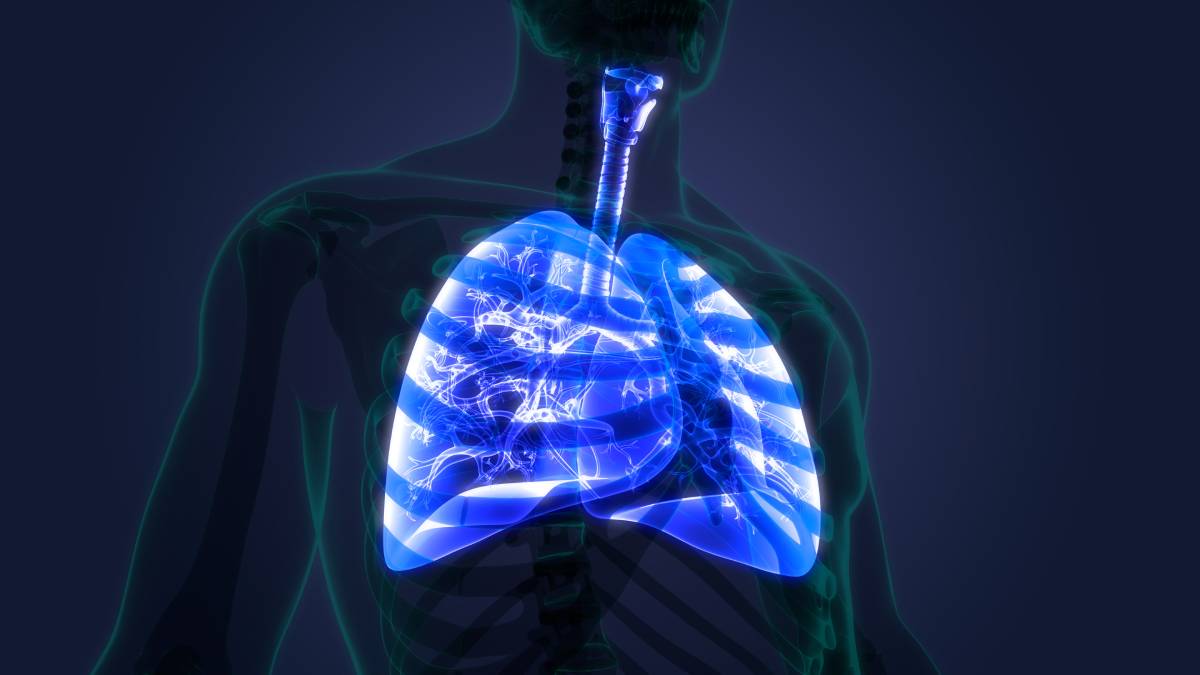
Maintaining a patent airway is one of the most fundamental responsibilities in anesthesia practice. Under general anesthesia, the mechanisms that normally keep the upper airway open are significantly compromised — creating conditions where obstruction can occur rapidly. Understanding the physiology behind airway collapse allows anesthesiologists to anticipate, prevent, and manage this critical challenge.
The Normal Awake Airway
In the awake state, a complex system of pharyngeal dilator muscles — including the genioglossus, geniohyoid, and tensor veli palatini — actively maintain upper airway patency. These muscles respond to negative pressure generated by inspiration, contracting to counteract the collapsing forces. The result is a dynamic, actively maintained airway with substantial reserve capacity.
Primary Cause: Muscular Relaxation Under Anesthesia
General anesthesia fundamentally disrupts this active maintenance system. The relaxation of the muscles that normally maintain the patency of the airway is the primary mechanism of anesthetic-induced airway collapse. When pharyngeal dilator activity is lost:
- The tongue falls posteriorly under gravitational force, particularly in the supine position
- Soft palate tissue loses its tone and descends toward the posterior pharyngeal wall
- The pharyngeal walls lose structural integrity and are susceptible to inward collapse during inspiration
Contributing Pharmacological Mechanisms
CNS Depression by Sedative Agents
Sedative medications — including propofol, benzodiazepines, and opioids — depress the central nervous system in ways that specifically blunt the protective mechanisms of the upper airway:
- Reduced response of pharyngeal dilator muscles to negative airway pressure
- Blunted arousal response to airway obstruction
- Impaired protective reflexes (cough, swallow, gag) that normally respond to secretions or obstruction
Neuromuscular Blocking Agents
When neuromuscular blocking agents are used, they relax all skeletal muscle — including the pharyngeal dilators and accessory respiratory muscles — producing complete loss of airway tone. This renders the patient entirely dependent on the anesthesiologist for airway management and makes endotracheal intubation or supraglottic airway placement necessary.
Position and Anatomical Factors
Patient positioning magnifies the muscle relaxation effects:
- Supine position: Gravity moves the tongue and soft palate toward the posterior pharyngeal wall, reducing the functional airway cross-section
- Obesity: Increased soft tissue mass in the neck and pharynx creates greater collapsing pressure; obese patients have significantly reduced functional residual capacity and desaturate rapidly during apnea
- Obstructive sleep apnea (OSA): Pre-existing pharyngeal anatomical compromise and hypersensitivity to sedatives makes OSA patients highly prone to anesthetic airway collapse at lower drug concentrations
Management Strategies
Anesthesiologists employ multiple interventions to prevent and manage airway collapse:
Pre-Operative Assessment
Thorough airway assessment — evaluating mouth opening, Mallampati classification, neck mobility, and thyromental distance — identifies patients at elevated risk and guides preparation of advanced airway techniques.
Positioning Optimization
Ramped positioning (head elevated, particularly in obese patients) and reverse Trendelenburg positioning reduce the gravitational contribution to pharyngeal collapse and improve preoxygenation efficiency.
Airway Support Devices
Oral and nasal airways provide a mechanical conduit that bypasses soft tissue obstruction during mask ventilation. Laryngeal mask airways and endotracheal tubes provide definitive airway protection throughout the procedure.
Monitoring and Neuromuscular Reversal
Quantitative neuromuscular monitoring guides reversal agent dosing, ensuring complete neuromuscular recovery before extubation. Continuous oximetry and capnography provide real-time detection of ventilation compromise throughout the anesthetic period.
Careful management of all these elements allows anesthesiologists to minimize airway collapse risk — but vigilance throughout the perioperative period remains essential, as airway compromise can develop rapidly and without warning.