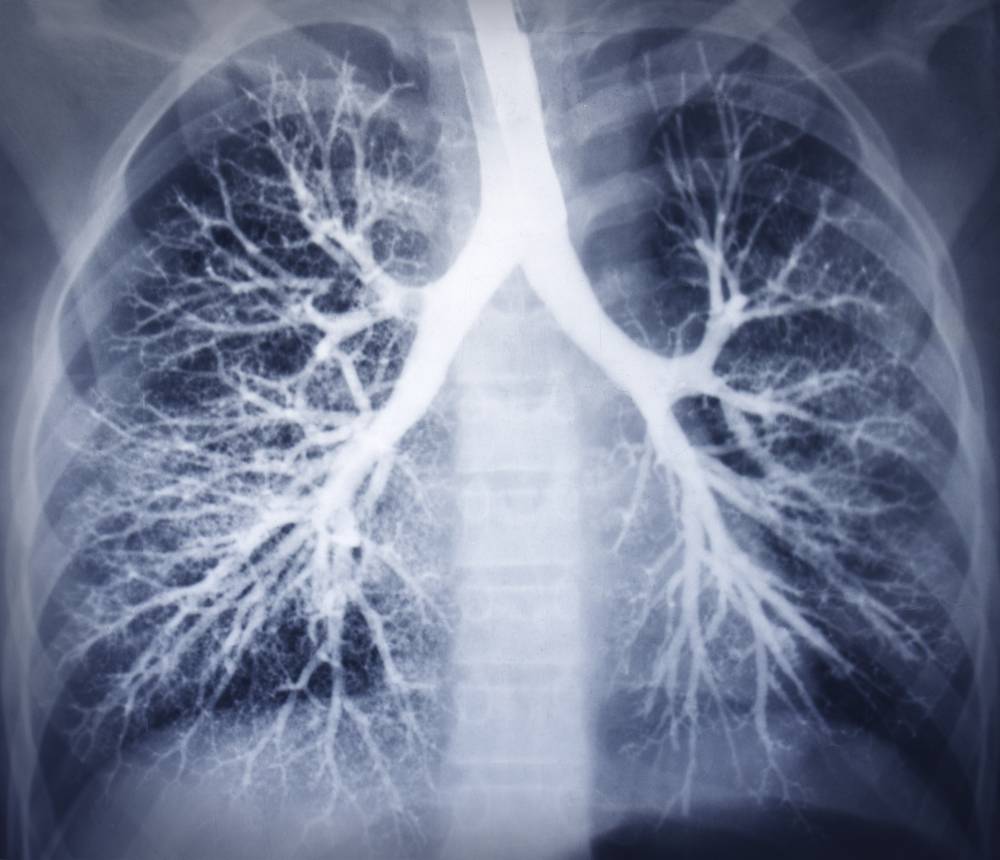
Mechanical ventilation during general anesthesia is necessary to maintain oxygenation and CO₂ elimination when spontaneous breathing is suppressed by anesthetic agents and neuromuscular blockers. But ventilation itself is not benign: the mechanical forces applied to lung tissue during positive-pressure breathing can cause ventilator-induced lung injury (VILI), contributing significantly to postoperative pulmonary complications. Understanding and applying lung-protective ventilation strategies is one of the most impactful things an anesthesiologist can do to reduce these risks.
The Scope of Pulmonary Complications
Acute lung injury (ALI) occurs in 2–7% of patients ventilated during general anesthesia, with mortality approaching 50% in the most severe cases. Even milder pulmonary complications — atelectasis, pneumonia, respiratory failure — extend hospital stays, increase costs, and worsen patient outcomes.
The mechanisms of VILI include:
- Volutrauma: Overdistension of alveoli from excessive tidal volumes
- Barotrauma: Injury from high airway pressures
- Atelectrauma: Repeated opening and collapse of atelectatic alveoli with each breath
- Biotrauma: Release of inflammatory mediators from injured lung tissue into the systemic circulation
Lung-Protective Ventilation Principles
The cornerstone of intraoperative lung protection is a bundle approach that addresses multiple mechanisms of VILI simultaneously:
Low Tidal Volumes
Traditional ventilation used tidal volumes of 10–15 mL/kg — derived from observations in spontaneously breathing patients. For ventilated anesthetic patients, evidence strongly supports lower tidal volumes of 6–8 mL/kg ideal body weight, matching the approach used in ARDS management. This reduction in tidal volume directly reduces volutrauma.
Positive End-Expiratory Pressure (PEEP)
Appropriate PEEP prevents alveolar collapse at end-expiration, reducing atelectrauma. The optimal PEEP level varies by patient — too little allows repetitive collapse, while too much overdistends open alveoli. Individualized titration based on oxygenation response and respiratory mechanics is preferred.
Recruitment Maneuvers
Periodic recruitment maneuvers — brief, controlled increases in airway pressure (typically 30–40 cmH₂O for 20–30 seconds) — open collapsed alveoli that have developed under general anesthesia, particularly in obese patients and after prolonged supine positioning. Following recruitment, PEEP is applied to maintain the opened lung units.
The Evidence: Protective Ventilation Works
The clinical evidence for lung-protective ventilation in the operating room is compelling. Research demonstrates that protective ventilation reduced ALI incidence from 3.7% to 0.9% compared to conventional ventilation in surgical patients. This represents a striking relative risk reduction.
Special Populations
Cancer Patients and Bleomycin
Patients who have received bleomycin chemotherapy are at heightened risk for pulmonary oxygen toxicity. High FiO₂ during ventilation can trigger bleomycin-related pulmonary fibrosis, necessitating the lowest FiO₂ that maintains adequate SpO₂ (>94%).
Restrictive Lung Disease
Patients with restrictive disease (pulmonary fibrosis, obesity, chest wall restriction) have reduced lung compliance, requiring higher driving pressures to achieve adequate tidal volumes. Higher PEEP is often required to prevent alveolar collapse, but careful pressure monitoring is essential to avoid barotrauma.
COPD and Auto-PEEP
COPD patients have obstructed airflow and prolonged expiratory times. If the ventilator rate is too high or expiratory time too short, complete exhalation cannot occur — creating dynamic air trapping known as auto-PEEP or intrinsic PEEP. Longer expiratory times (lower I:E ratios) and lower respiratory rates help prevent this complication.
Thoracic Surgery
One-lung ventilation for thoracic procedures intensifies lung injury risk. Permissive hypercapnia — accepting higher CO₂ levels in exchange for lower tidal volumes — is generally well-tolerated during these procedures, though elevated CO₂ may trigger tachycardia and blood pressure increases in patients with cardiac disease, requiring individualized management.
Ventilation as Perioperative Medicine
Intraoperative mechanical ventilation strategy is not merely a technical parameter — it is a clinical decision with measurable impact on postoperative pulmonary outcomes. The evidence for protective ventilation is sufficiently strong that it should now be considered standard care for all patients undergoing general anesthesia with mechanical ventilation, with adjustments made for individual patient physiology and surgical context.