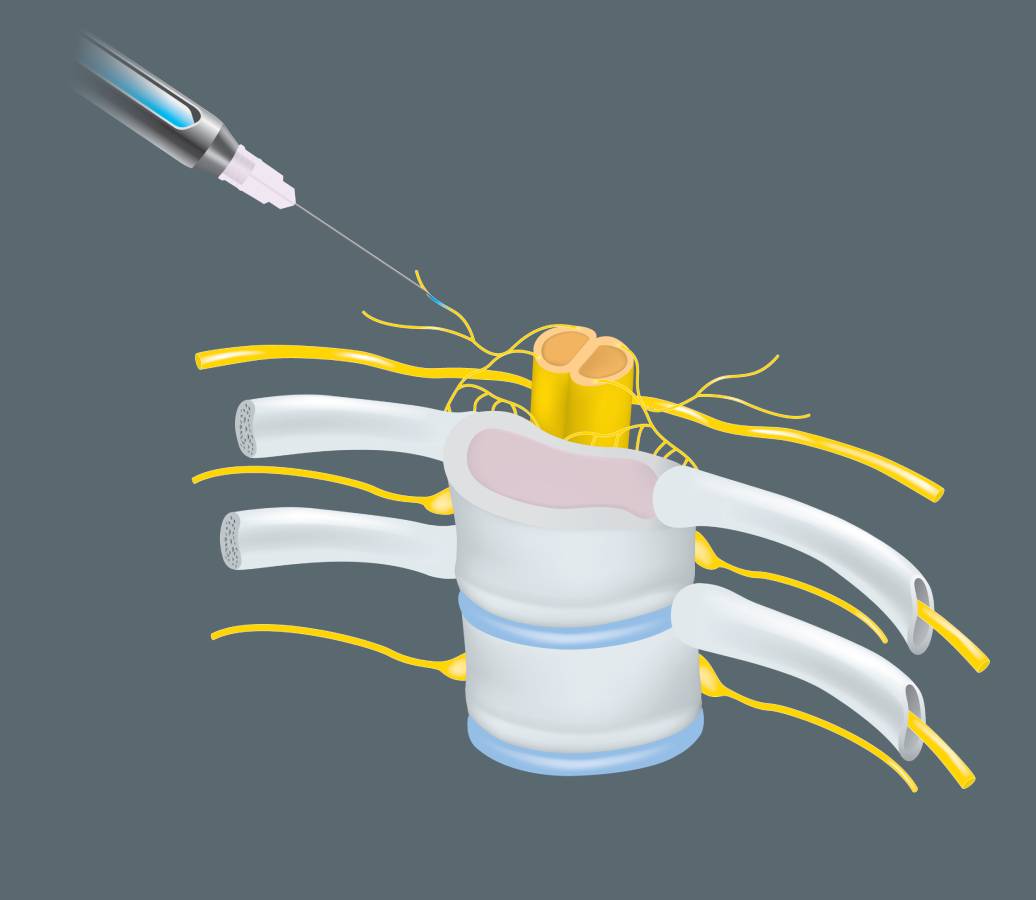
Regional nerve blocks — injecting local anesthetic around a target nerve to provide pain relief in a specific area — have become a cornerstone of modern anesthesia practice, offering excellent analgesia while reducing systemic opioid requirements. However, accidental intravascular injection during nerve block placement represents one of the most serious complications in regional anesthesia, capable of causing life-threatening local anesthetic systemic toxicity (LAST). Understanding the mechanism, risk factors, clinical presentation, and management of this complication is essential for all practitioners performing nerve blocks.
The Mechanism of Toxicity
Local anesthetics exert their therapeutic effect by blocking sodium channels in peripheral nerve membranes. When accidentally injected into the bloodstream — or when vascular absorption of a large perivascular dose overwhelms the body's capacity to redistribute and metabolize the drug — systemic plasma concentrations rise above the threshold for toxicity.
At toxic concentrations, local anesthetics block sodium channels throughout the body, affecting two particularly vulnerable organ systems:
- Central nervous system: Early CNS toxicity produces perioral numbness, metallic taste, tinnitus, lightheadedness, and visual disturbances. Progressive toxicity causes tremors, muscle twitching, and ultimately seizures
- Cardiovascular system: Cardiac toxicity causes conduction abnormalities, arrhythmias, myocardial depression, and cardiovascular collapse. Bupivacaine is particularly dangerous due to its high lipid solubility and tight myocardial sodium channel binding
High-Risk Anatomical Locations
The risk of intravascular injection is not uniform across all block locations. Areas with adjacent major vascular structures carry the highest risk:
- Cervical paravertebral space: Proximity to the vertebral artery and carotid artery makes interscalene and cervical paravertebral blocks particularly high-risk
- Axillary region: Dense neurovascular bundle anatomy increases accidental arterial or venous puncture risk
- Femoral and popliteal regions: Adjacent femoral and popliteal vessels
- Intercostal space: Rich intercostal vascular network with rapid systemic absorption
Prevention: A Multi-Layer Approach
Ultrasound Guidance
Real-time ultrasound visualization of needle tip position has substantially reduced the incidence of intravascular injection by allowing direct visualization of the needle relative to blood vessels and monitoring the spread of local anesthetic as it is injected. Color Doppler can identify vascular structures at risk before injection begins.
Incremental Injection with Aspiration
Aspiration before injection tests for blood return — a positive aspiration is a clear warning sign. Injecting in small increments (3–5 mL) with pauses between allows time to detect early toxicity symptoms before a full toxic dose is delivered. No aspiration technique is 100% sensitive, however; negative aspiration does not guarantee extravascular placement.
Minimum Effective Dose
Using the lowest effective local anesthetic concentration and volume reduces the maximum systemic dose even if partial intravascular injection occurs.
Test Dose
An intravascular test dose containing epinephrine (typically 3 mL of 1.5% lidocaine with 1:200,000 epinephrine) produces a detectable heart rate increase within 30–60 seconds if injected intravascularly — providing an early warning before the full block volume is administered.
Treatment: Lipid Emulsion Resuscitation
When LAST occurs, immediate management includes:
- Stop local anesthetic injection immediately
- Call for help and activate LAST emergency response
- Ensure adequate ventilation and oxygenation — seizures dramatically increase oxygen consumption
- Administer intravenous lipid emulsion (Intralipid 20%) — the lipid "sink" mechanism redistributes local anesthetic away from cardiac tissue
- Begin ACLS-modified CPR if cardiovascular collapse occurs (avoid vasopressin and high-dose calcium channel blockers)
- Consider cardiopulmonary bypass for refractory cardiac arrest from bupivacaine toxicity
Lipid emulsion must be immediately available wherever nerve blocks with amide local anesthetics are performed. The ASRA LAST checklist should be posted and familiar to all team members.