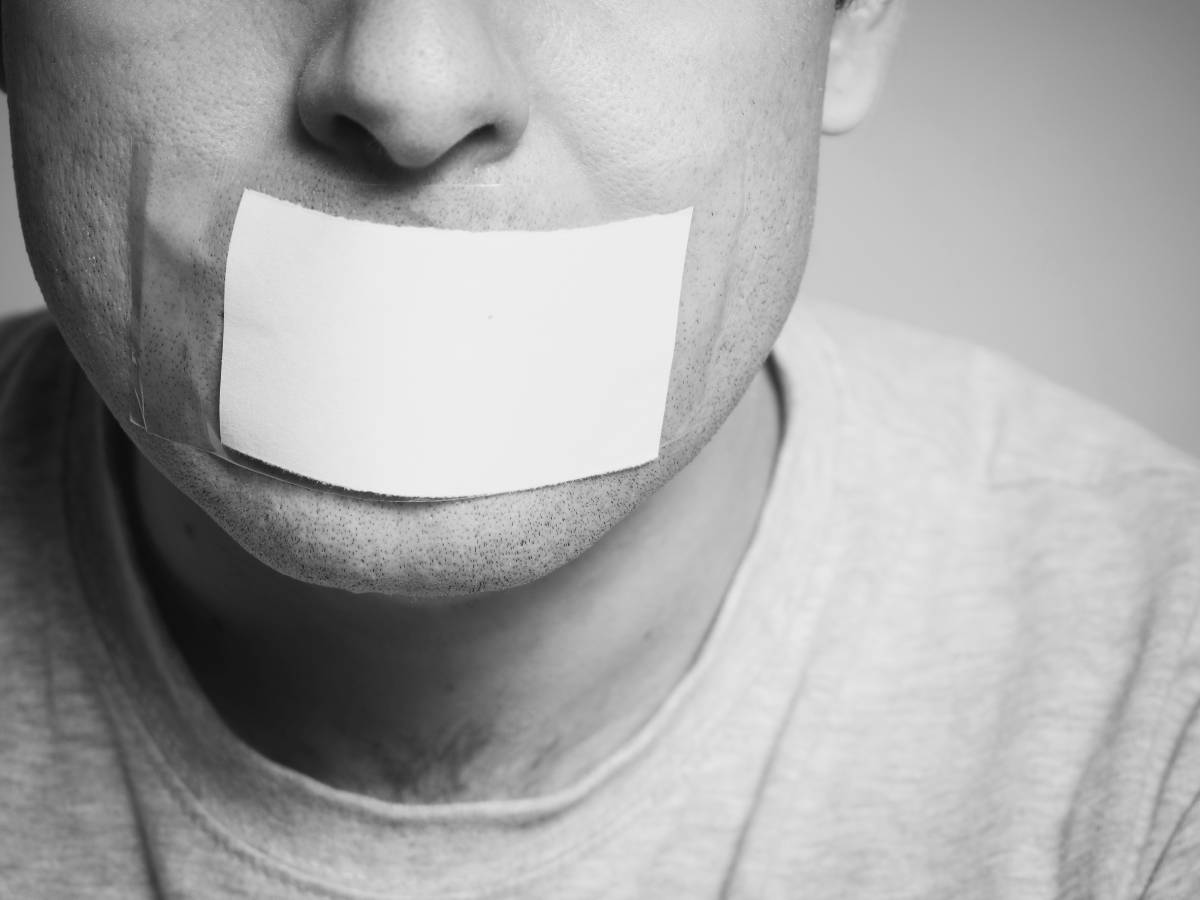
Mouth taping — the practice of placing adhesive tape over the lips during sleep to encourage nasal breathing — has gained popularity through social media and wellness communities as a remedy for snoring, sleep apnea, and various sleep quality concerns. But does the evidence support it, and is it safe? Medical experts urge caution before adopting this trend, particularly for individuals with undiagnosed or undertreated respiratory conditions.
The Theory Behind Mouth Taping
Proponents of mouth taping argue that it encourages nasal breathing, which they claim offers meaningful physiological benefits over habitual mouth breathing. The nasal passages perform several important functions that the mouth cannot replicate:
- Filtration: Nasal hairs and mucous membranes trap particles and pathogens
- Warming and humidification: Air is conditioned before reaching the lungs, potentially improving oxygen exchange
- Nitric oxide production: The nasal passages produce nitric oxide, a vasodilator with potential respiratory and cardiovascular benefits
Some users also report secondary benefits including reduced dry mouth, improved breath, and relief from cavities associated with chronic mouth breathing — conditions caused by reduced saliva production and altered oral microbiome.
What Users Report
Anecdotal reports from mouth taping adherents describe improvements in sleep quality, reduced snoring, and reduced morning dry mouth. A small number of limited studies have reported some positive findings, particularly in individuals with mild snoring rather than clinical sleep apnea.
Medical Concerns: When Mouth Taping Is Dangerous
Despite the apparent simplicity of the intervention, medical experts raise serious safety concerns that cannot be dismissed:
Risk in Untreated Sleep Apnea
This is the most critical warning. Obstructive sleep apnea (OSA) is characterized by repeated upper airway collapse during sleep, causing apneas (breathing pauses) that the brain compensates for by partially waking. Many OSA patients compensate for collapsed nasal or pharyngeal airways by shifting to mouth breathing. Mouth taping may exacerbate OSA by limiting this compensatory mouth breathing — potentially worsening oxygen desaturation during apneas without the patient being aware of it. In severe, undiagnosed OSA, this risk is significant.
Nasal Obstruction
People with chronic nasal congestion from allergies, deviated nasal septum, nasal polyps, or upper respiratory infections may find nasal breathing difficult or impossible. Taping the mouth closed in these individuals can create dangerous restriction of airflow, causing or worsening hypoxia during sleep.
Aspiration Risk
Individuals at risk for nocturnal vomiting or gastroesophageal reflux face elevated aspiration risk if the mouth is taped. Normal protective mechanisms include the ability to open the mouth to clear regurgitated material — a mechanism that tape can block.
Skin Irritation
Repeated adhesive application to perioral skin can cause irritation, contact dermatitis, or skin breakdown in sensitive individuals, particularly the elderly or those on anticoagulation therapy.
Evidence-Based Alternatives
For snoring and sleep apnea, well-validated treatments exist that carry far better safety and efficacy profiles than mouth taping:
- CPAP therapy: The gold standard for moderate-to-severe OSA, continuous positive airway pressure prevents upper airway collapse directly
- Positional therapy: Side sleeping reduces supine-dependent airway collapse
- Nasal strips: Mechanically dilate nasal passages, increasing nasal airflow without mouth restriction
- Oral appliance therapy: Mandibular advancement devices position the jaw to prevent pharyngeal collapse
- Weight management: Obesity is one of the strongest modifiable risk factors for OSA
- Surgical options: For anatomical causes of obstruction
The Medical Recommendation
Individuals curious about mouth taping should consult their physician before attempting it, particularly if they snore regularly, have been told they stop breathing during sleep, or have known nasal obstruction. A formal sleep study may be appropriate to rule out obstructive sleep apnea before trying any airflow-restricting intervention. Evidence-based treatments remain preferable to unvalidated interventions whose safety profile is not fully understood.