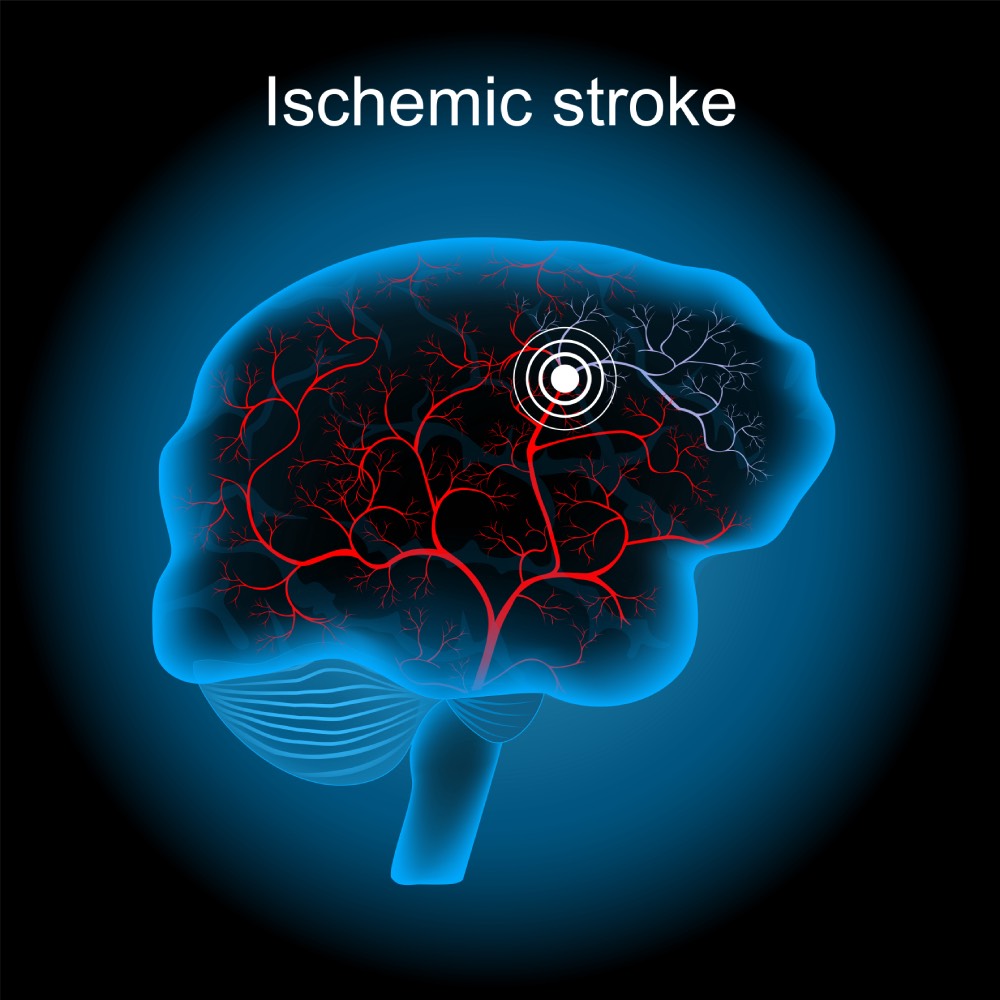
Postoperative ischemic stroke is a rare but major complication associated with significant morbidity, mortality, and prolonged hospitalization. Incidence rates vary widely — from less than 0.1% in low-risk elective procedures to over 5% in high-risk cardiac and vascular surgeries. Recognizing the multifactorial risk landscape enables clinicians to identify vulnerable patients and implement targeted preventive strategies before, during, and after surgery.
Patient-Related Risk Factors
Intrinsic patient characteristics form the foundational layer of stroke risk. Key factors include:
- Advanced age — risk increases significantly after 65
- Prior stroke or transient ischemic attack (TIA)
- Hypertension, diabetes mellitus, and hyperlipidemia
- Current or prior tobacco smoking
- Atrial fibrillation — a major source of cardioembolic events
- Chronic kidney disease and congestive heart failure
- Preoperative anemia, which reduces oxygen delivery to vulnerable brain tissue
Surgery-Related Risk Factors
The nature and complexity of the surgical procedure itself substantially modifies stroke risk:
- Cardiac surgery with cardiopulmonary bypass — the highest-risk category due to embolic load, hemodynamic instability, and systemic inflammatory response
- Major vascular procedures, particularly carotid endarterectomy and aortic surgery
- Certain orthopedic and thoracic surgeries with high embolic potential
- Prolonged operative time and emergency surgery, both of which limit the ability to optimize perioperative management
Intraoperative and Anesthetic Factors
Intraoperative hemodynamic management plays a critical role. Sustained hypotension reduces cerebral perfusion pressure, particularly in patients with atherosclerotic cerebrovascular disease where autoregulation is impaired. Conversely, marked intraoperative hypertension can trigger embolic events or hemorrhagic transformation in vulnerable territories.
Embolic phenomena — from air, fat, thrombus, or surgical debris — represent an underappreciated intraoperative risk. While anesthesia type itself (general vs. regional) has not been definitively shown to independently affect stroke incidence, the hemodynamic stability achieved with careful anesthetic management is central to stroke prevention.
Postoperative Risk Factors
The postoperative period introduces its own set of stroke risk contributors:
- New-onset atrial fibrillation, which occurs in up to 30% of cardiac surgery patients
- Hypercoagulable states triggered by the surgical stress response
- Delayed resumption of antithrombotic therapy in patients who were anticoagulated preoperatively
- Postoperative anemia, hypoxia, and infection, all of which increase metabolic demand and reduce cerebral reserve
Clinical Implications
Understanding and categorizing these risk factors allows perioperative teams to stratify patients systematically, initiate appropriate prophylactic interventions — such as optimizing hemodynamic targets, bridging anticoagulation, and implementing embolic protection devices where indicated — and maintain heightened neurological surveillance in the postoperative period.
Key Takeaway: Postoperative stroke is multifactorial. A structured risk assessment framework spanning patient, surgical, intraoperative, and postoperative dimensions is essential to identifying high-risk individuals and implementing timely preventive strategies.