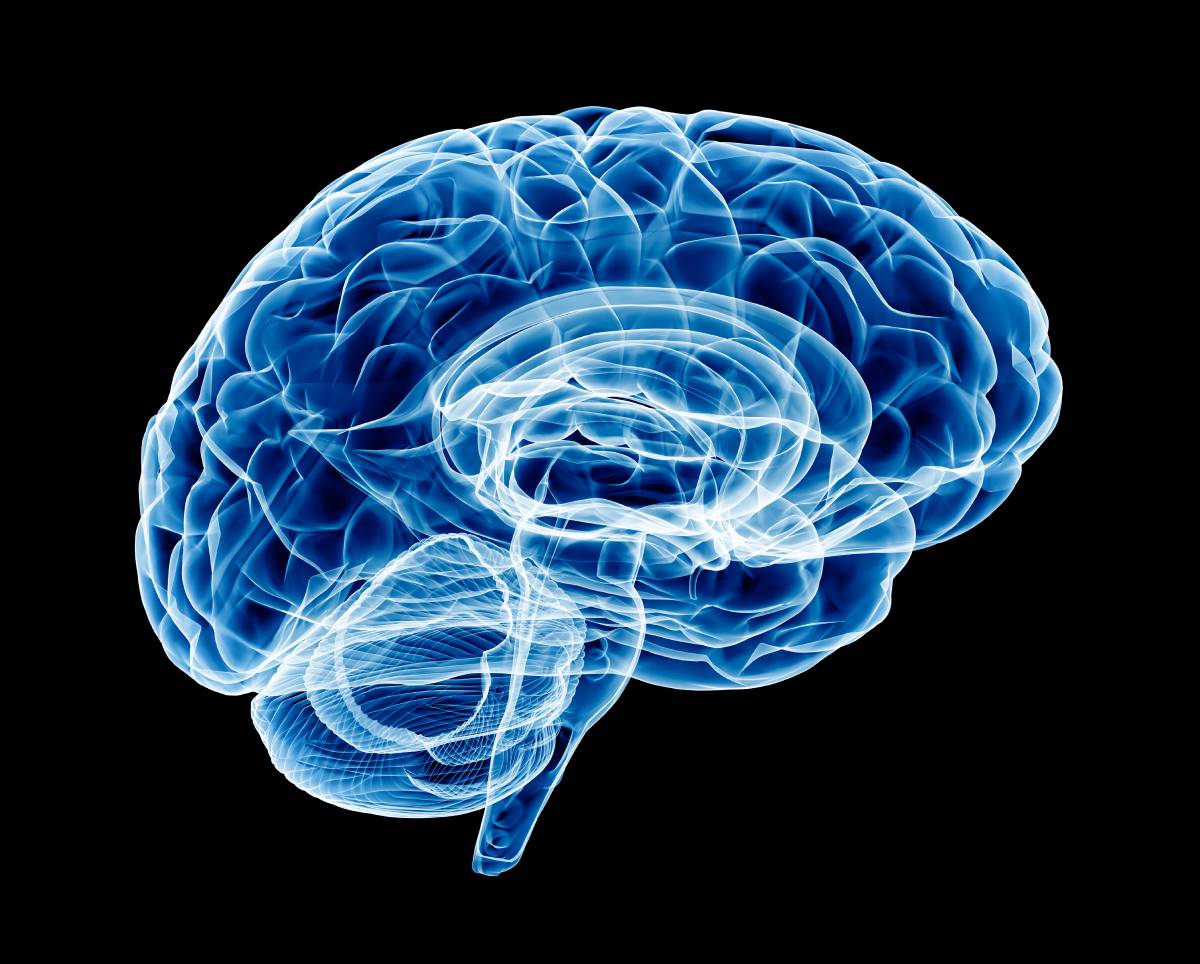
Xenon is a noble gas long recognized for its chemical inertness and physical properties — properties that made it attractive as a general anesthetic decades ago. Now, a wave of new research published in Science Translational Medicine is revealing something far more intriguing: xenon may have meaningful neuroprotective effects, with potential implications for treating Alzheimer's disease and other neurological conditions.
Xenon as an Anesthetic Agent
As a general anesthetic, xenon possesses several desirable characteristics: rapid induction and emergence, hemodynamic stability, and an absence of hepatic or renal toxicity. Because it is chemically inert — resisting nearly all reactions with biological tissues — it does not produce the metabolic byproducts associated with halogenated agents.
Xenon crosses the blood-brain barrier readily, enabling rapid CNS effects. Its exact anesthetic mechanism is not fully elucidated, but it is known to block NMDA receptors, preventing glutamate-mediated excitatory signaling. This same mechanism may be central to its newly recognized neuroprotective properties.
The Alzheimer's Disease Connection
Alzheimer's disease affects an estimated 50 million people globally, making it one of the most significant neurological challenges of our time. Current FDA-approved treatments — including lecanemab and donanemab — target amyloid-beta protein accumulation in brain plaques but show only mild-to-moderate success in slowing cognitive decline and perform poorly in advanced-stage patients.
Researchers at Brigham and Women's Hospital and Washington University in St. Louis examined xenon's impact on Alzheimer's pathology in animal models. Their findings were striking.
Microglial Protection
The key discovery centered on microglia — the brain's resident immune cells. In Alzheimer's mouse models, xenon inhalation caused microglia to adopt a "protective phenotype," shifting their behavior from inflammatory to restorative. These reoriented microglia demonstrated:
- Enhanced amyloid plaque clearance — actively removing the protein aggregates central to Alzheimer's pathology
- Reduced neuronal swelling — protecting neurons from inflammatory damage
- Decreased brain atrophy — slowing structural brain volume loss associated with disease progression
- Lower inflammatory gene expression — dampening the neuroinflammatory cascade
Mechanisms Under Investigation
The exact pathway by which xenon produces these microglial changes remains under active investigation. Two primary mechanisms are being explored:
NMDA Receptor Blockade
Xenon's established mechanism — blocking NMDA receptors — prevents excessive glutamate signaling, which is neurotoxic at high levels. Glutamate excitotoxicity contributes to neuronal death in multiple neurological diseases, including Alzheimer's. By modulating this pathway, xenon may reduce one of the core drivers of neurodegeneration.
Mitophagy Regulation in Microglia
Xenon has also been shown to reduce post-surgical pain through mitophagy regulation — the cellular process of clearing damaged mitochondria — specifically in microglia. This metabolic regulation may shift microglial function toward the protective phenotype observed in the Alzheimer's studies. Whether this mechanism operates in neurodegenerative disease contexts is a key open question.
Broader Neurological Applications
The implications may extend beyond Alzheimer's disease. A 2019 study found that xenon reduced astrogliosis — the reactive scarring of astrocytes — in traumatic brain injury models, suggesting anti-inflammatory properties that could benefit multiple neurological conditions including TBI, stroke recovery, and potentially other neurodegenerative diseases characterized by neuroinflammation.
Clinical Translation: Phase 1 Trials
A Phase 1 clinical trial launched in early 2025 is testing xenon inhalation in healthy volunteers to characterize its safety profile, pharmacokinetics, and preliminary biomarker effects. If results are favorable, subsequent trials in Alzheimer's patients will assess whether the microglial protection observed in animal models translates to meaningful clinical benefit in humans.
The path from promising animal research to validated human therapy is long and uncertain. But xenon's unique combination of established clinical safety as an anesthetic, potent neuroprotective effects in preclinical models, and novel microglial mechanism makes it one of the more compelling candidates in current neurological research.