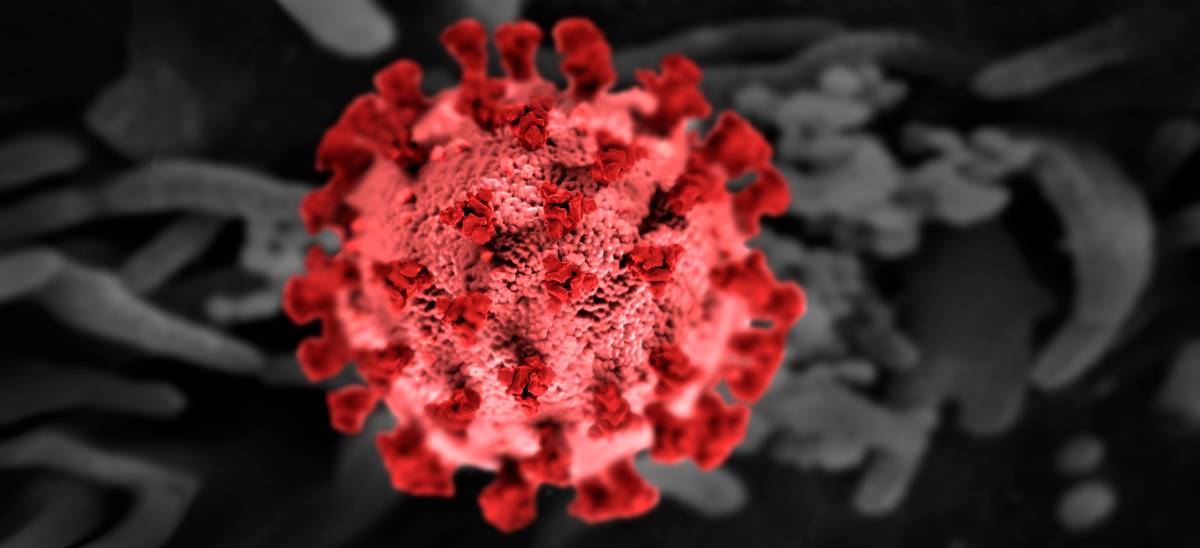
Sepsis occurs when a patient has an overwhelming reaction to an infection — a dysregulated immune response that damages the body's own tissues. Associated with high morbidity and mortality rates, sepsis represents one of medicine's most challenging clinical syndromes. The COVID-19 pandemic brought sepsis to the forefront of public awareness, as severe SARS-CoV-2 infection emerged as a significant and complex driver of septic physiology.
Defining Sepsis
The clinical understanding of sepsis has evolved substantially over the past century. Since its first systematic description in 1914, the definition has been refined repeatedly as our understanding of the underlying biology has deepened. The current standard, established by the 2016 Sepsis-3 consensus, defines sepsis as "life-threatening organ dysfunction resulting from a dysregulated host response to an acute infection."
This definition emphasizes that sepsis is not simply an infection — it is the body's pathological response to infection. Any infection type can trigger sepsis: bacterial, viral, fungal, or parasitic. COVID-19, caused by the SARS-CoV-2 virus, is now recognized as a significant viral trigger.
How COVID-19 Drives Sepsis
Viral sepsis, including COVID-19-related sepsis, differs from classic bacterial sepsis in important ways. While bacterial sepsis typically produces dominant systemic inflammation rapidly across organ systems, viral sepsis often manifests later in the disease course with a longer progression to multi-organ dysfunction.
In severe COVID-19, the immune response becomes dysregulated in several characteristic ways:
Complement and Coagulation Activation
SARS-CoV-2 triggers complement system activation and coagulation cascade activation simultaneously — a combination that creates a pro-thrombotic, pro-inflammatory state. Thrombosis in pulmonary vasculature contributes to COVID-19's characteristic respiratory failure and hypoxemia.
Cytokine Storm
In severe cases, COVID-19 precipitates massive overproduction of pro-inflammatory cytokines — a phenomenon termed "cytokine storm." TNF-α, IL-6, IL-1β, and other inflammatory mediators surge to pathological levels, causing widespread tissue damage, vascular permeability, and multi-organ dysfunction that far exceeds what the virus itself would cause directly.
Immune Cell Dysregulation
Research has documented several patterns of immune cell abnormality in severe COVID-19:
- T-cell exhaustion: Chronic overstimulation depletes functional T-cells that would normally control viral replication and coordinate the adaptive immune response
- Immune cell reprogramming: Monocytes and macrophages shift toward dysfunctional inflammatory phenotypes that amplify tissue damage rather than resolving infection
- Widespread cell death: Pyroptosis (inflammatory cell death) of immune cells further amplifies the inflammatory cascade
Recognizing COVID-19 Sepsis
Severe COVID-19 patients can develop fever, chills, breathing difficulty, generalized pain, and confusion — symptoms that overlap significantly with sepsis from other causes and can mask the diagnosis in patients presenting to healthcare facilities. The COVID-19 presentation can obscure sepsis recognition, particularly in the early phases of illness when the diagnosis might alter clinical management.
Standard sepsis screening tools (SOFA score, NEWS) remain valid in COVID-19 patients. Early recognition and intervention — including appropriate oxygen therapy, hemodynamic resuscitation, and management of the underlying inflammatory process — follow the same principles as sepsis from other causes, with COVID-specific treatments layered on top.
Post-Sepsis Vulnerability
A noteworthy finding from COVID-19 sepsis research is that sepsis survivors — regardless of the triggering infection — face elevated risk of subsequent infections for months after recovery. COVID-19 sepsis survivors are not immune from this pattern: immune reconstitution after critical illness is a prolonged process, and reinfection risk (including COVID-19 reinfection) remains elevated in the recovery period.
This heightened vulnerability has important implications for post-hospital care: vaccination, prophylactic strategies, and vigilant monitoring for new infections are essential components of post-sepsis management.
A Disease That Taught Medicine
The COVID-19 pandemic provided an unprecedented natural experiment in viral sepsis biology — one that has generated insights likely to reshape how medicine understands, recognizes, and treats sepsis from all causes. The mechanisms elucidated through COVID-19 research (complement activation, coagulation dysregulation, cytokine storm, T-cell exhaustion) are not unique to SARS-CoV-2; they represent fundamental pathways shared with bacterial and other viral sepsis syndromes. Understanding them more deeply offers the possibility of better treatments for patients who survive COVID-19 and those who will face sepsis from other causes in the future.